Mexico
Luxury Villasin Tulum
Mayan ruins above a turquoise sea, jungle cenotes and a barefoot elegance all its own.
On Mexico's Caribbean coast, Tulum pairs white-sand beaches and clifftop Mayan ruins with jungle cenotes and a celebrated food scene. Its relaxed, design-led spirit makes it an inspiring base for exploring the Riviera Maya, from the Sian Ka'an Biosphere Reserve to the ancient city of Coba.
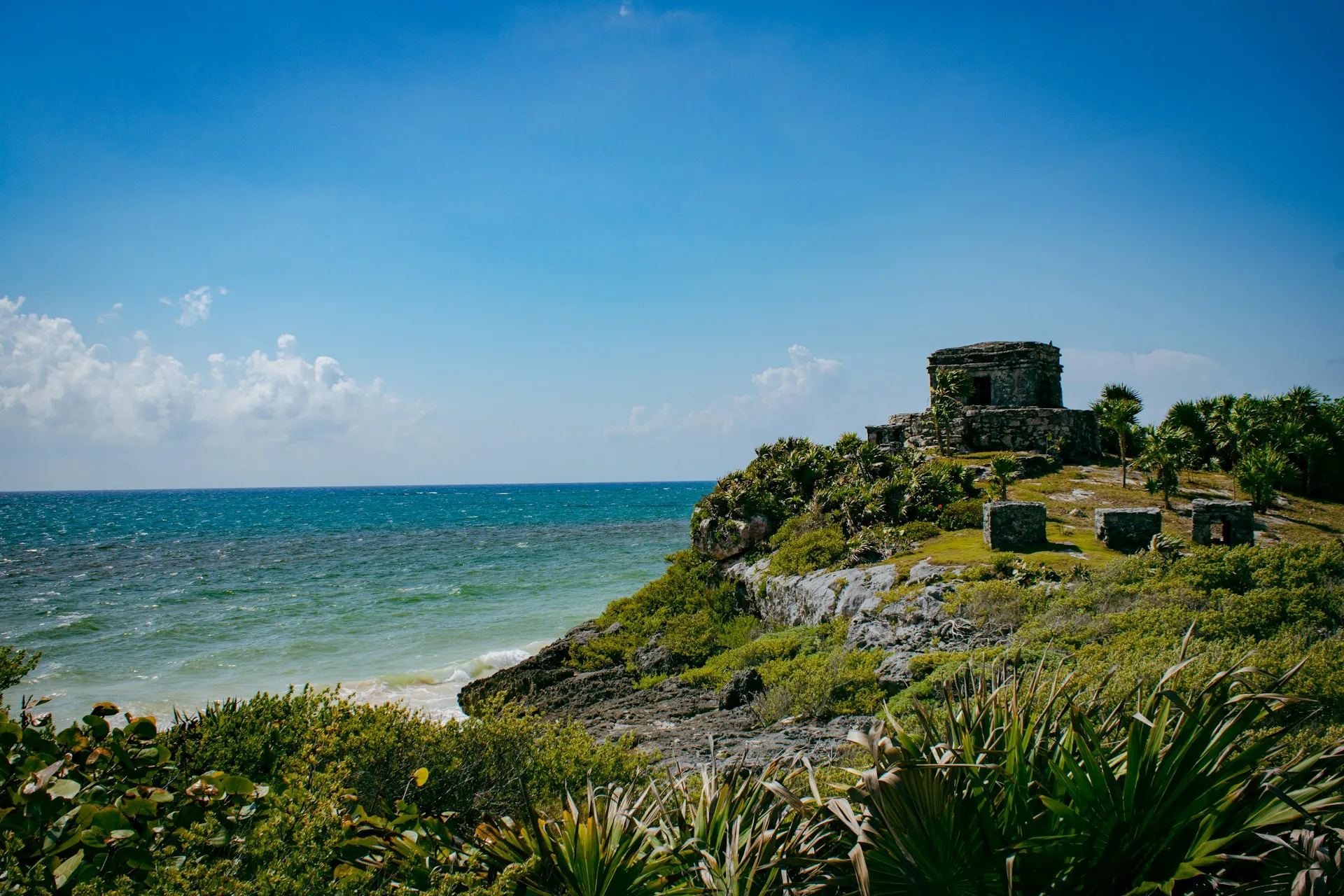
Tulum is one of the very few Mayan cities built on the sea. Its walled ruins, crowned by the temple known as El Castillo, stand on limestone cliffs above a beach of fine white sand and water in every shade of turquoise. Around them, the Yucatán jungle stretches inland, hiding cenotes, the crystal-clear sinkholes the Maya regarded as gateways to the underworld, which today offer some of the most extraordinary swimming anywhere.
Over the past two decades, Tulum has grown from a quiet coastal village into one of the most stylish destinations in Latin America, without losing its barefoot spirit. Along the beach road, design-led restaurants, boutiques and wellness retreats hide among the palms, while the town and the residential neighbourhood of Aldea Zamá offer a calmer, more local rhythm. The food scene is remarkable, from wood-fired kitchens in the jungle to taquerías serving cochinita pibil in the early morning.
Beyond Tulum, the Riviera Maya rewards curiosity. The Sian Ka'an Biosphere Reserve, a UNESCO World Heritage Site, protects lagoons, mangroves and coral reefs just south of town; the ruins of Coba rise from the jungle less than an hour inland; and sea turtles graze in the bay of Akumal, a short drive to the north. Whether you come for the ruins, the sea or simply the light, Tulum invites a slower, more sensory way of travelling.
Our properties
- Villa Destino: 100 metres of private beach and a lagoon dock for Tulum's finest sunsets, beside Sian Ka'an
Areas
- The beach road: The famous coastal strip running south from the ruins towards Sian Ka'an, lined with palm-shaded beaches, design-led restaurants and boutiques.
- Aldea Zamá: A leafy residential neighbourhood between the town and the beach, with contemporary architecture, cafés and quick access to both.
- Tulum Pueblo: The lively town centre along the main avenue, with local markets, taquerías and an authentic everyday rhythm.
- La Veleta: A growing residential area on the edge of the jungle, close to the town's restaurants and a short ride from the beach.
Getting there
Tulum International Airport, opened at the end of 2023, lies around 30 minutes' drive from town and receives flights from Mexico City and a growing number of international routes. Cancún International Airport, about 130 kilometres to the north, offers the widest choice of direct flights from Europe and the Americas; the private transfer along the coastal highway takes around one hour and forty-five minutes to two hours. Both airports welcome private jets.
The Tren Maya railway, which opened in stages from late 2023, links Cancún Airport, Playa del Carmen and Tulum, offering an alternative for those travelling light, although a chauffeured car remains the most comfortable choice with luggage. Helicopter transfers from Cancún can be arranged and take around 40 minutes.
Within Tulum, the beach road can be slow in high season and parking is limited, so a dedicated driver is ideal. Bicycles are a pleasant way to move between the town and the beach, and boats can be arranged for excursions along the coast and into Sian Ka'an.
Good to know
The dry season, from December to April, brings the most reliable weather and the highest demand, especially around Christmas, New Year and Easter. Hurricane season officially runs from June to November, with the greatest risk between August and October. From late spring to early autumn, sargassum seaweed can reach the Caribbean coast; conditions vary from week to week, and our team can suggest the clearest beaches on the day. In cenotes, visitors are usually asked to shower first and to avoid sunscreen, and reef-safe products are expected in protected marine areas. Access to the ruins and to several nearby beaches is now through the Jaguar National Park. Tap water is not drinkable. The Mexican peso is the local currency, and while cards are widely accepted, cash is useful in smaller restaurants and markets.
Frequently asked questions
Which airport should we fly into?
Tulum International Airport is around 30 minutes away, while Cancún offers more direct international flights and is around two hours by road. We arrange private transfers from both, as well as helicopter transfers from Cancún.
What can the concierge arrange during our stay?
Our team can reserve restaurants and arrange private chefs, yoga and wellness sessions, temazcal ceremonies, guides for the ruins, boat trips and any special request throughout your stay.
Can you organise exclusive experiences?
Yes. We can plan a private visit to a cenote, a boat day in Sian Ka'an, a guided tour of Chichén Itzá or Coba with an archaeologist, or a dinner prepared by a private chef at your villa.
How is our privacy protected?
Discretion is central to how we work. Your details are shared only with those directly involved in your stay, arrivals and services are arranged discreetly, and our team is accustomed to welcoming guests who value confidentiality.
When should we book for the high season?
Christmas, New Year and Easter are the most requested periods, and the finest villas are often reserved nine to twelve months ahead. We recommend enquiring as early as possible.
How does sargassum affect beach days?
Sargassum seaweed can reach the coast from late spring to early autumn, and its presence varies from week to week. On affected days, our team suggests the clearest beaches, a cenote or a boat trip, so the day is never lost.
When is hurricane season in Tulum?
The official season runs from June to November, with the highest risk between August and October. We follow forecasts closely and keep you informed, and we recommend travel insurance for stays during these months.